Story Behind It
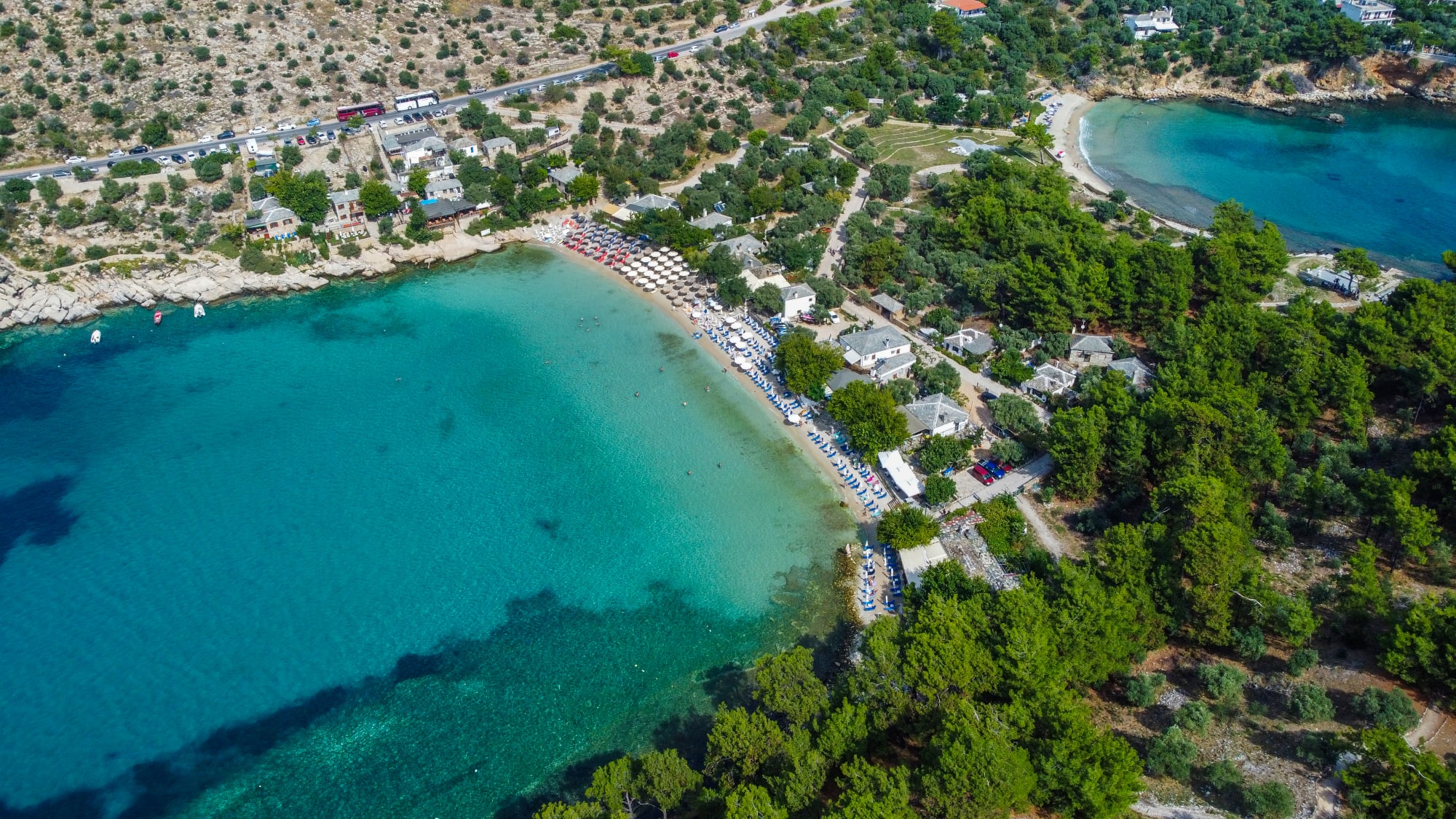
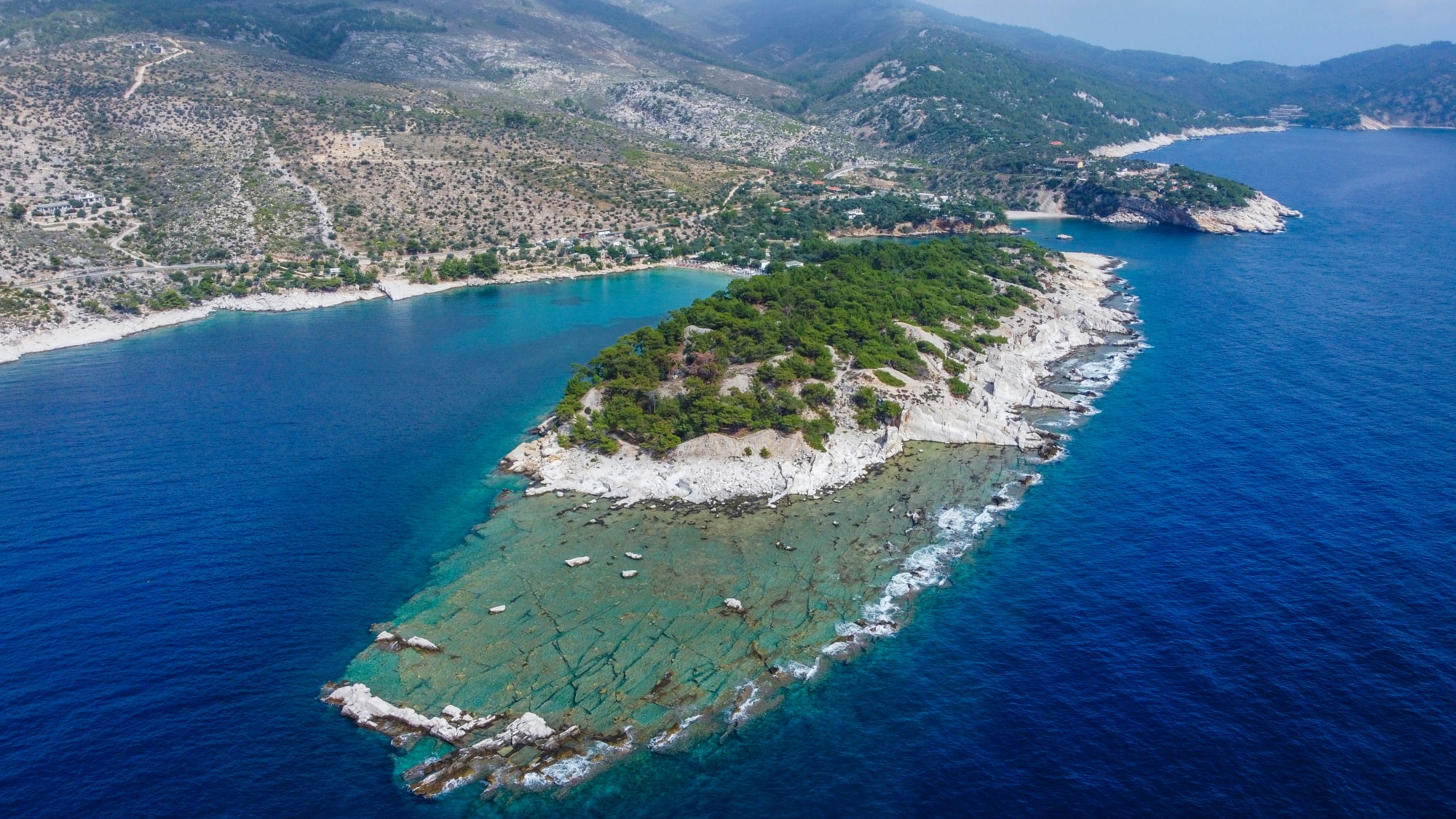
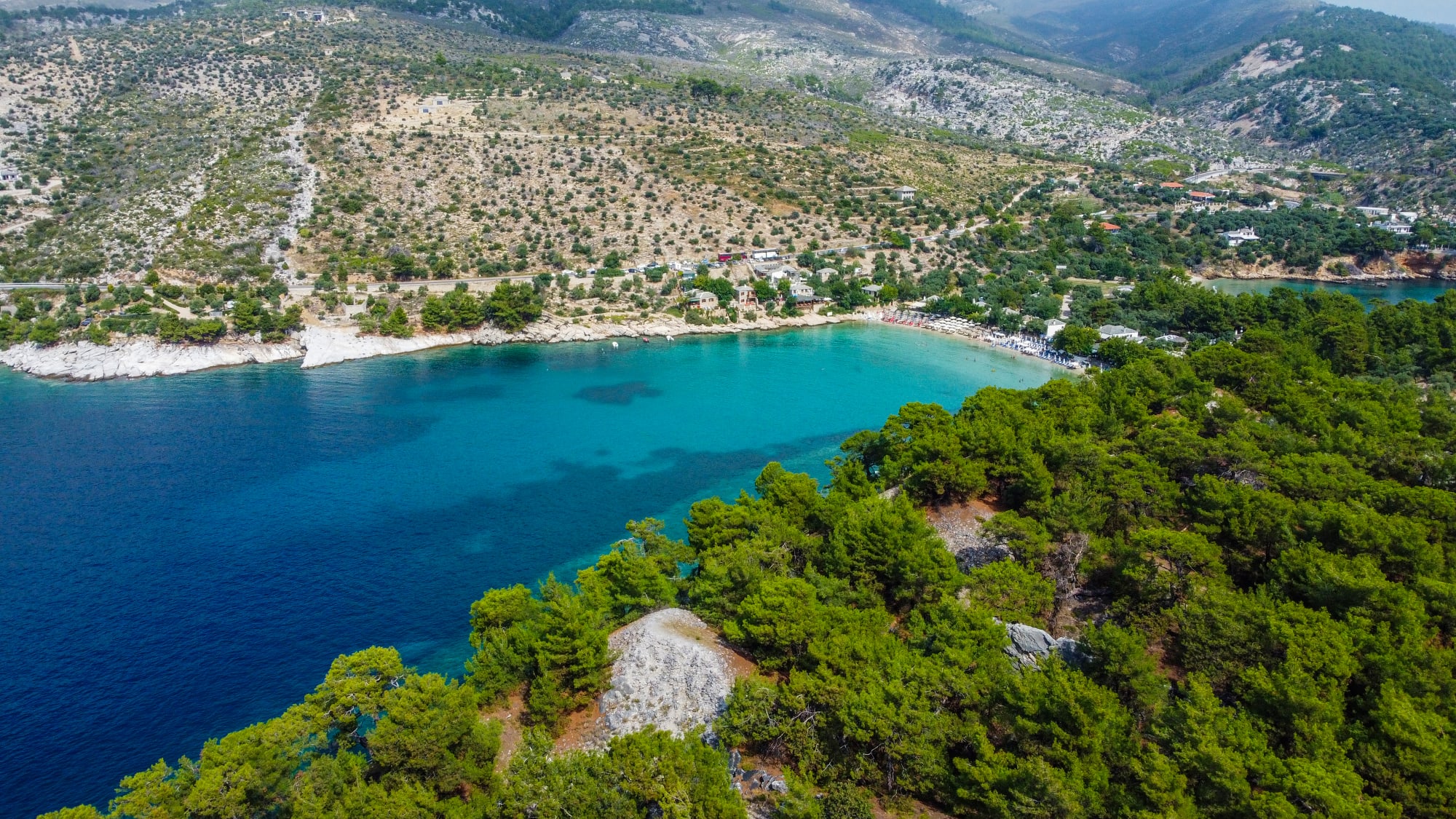
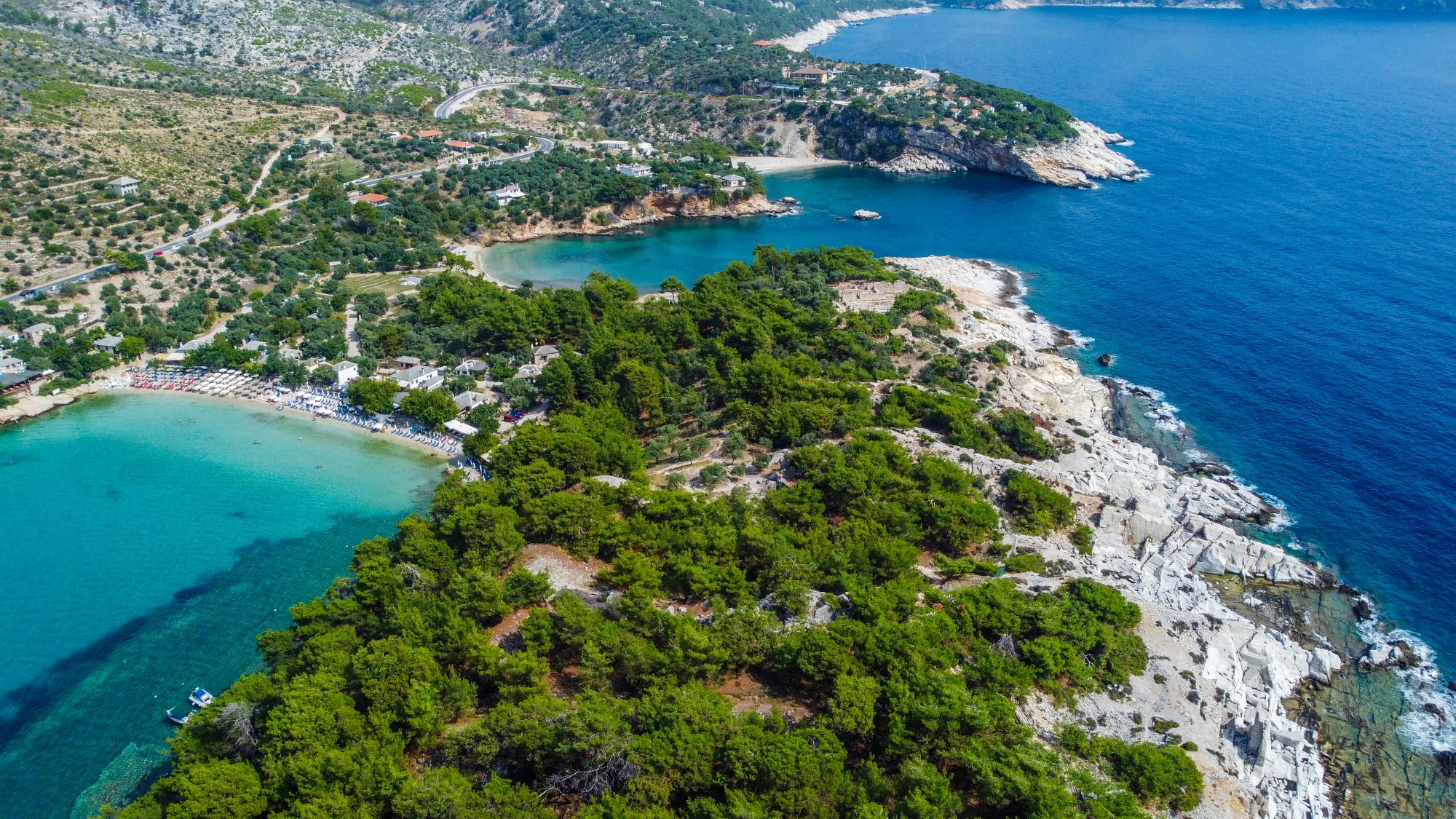
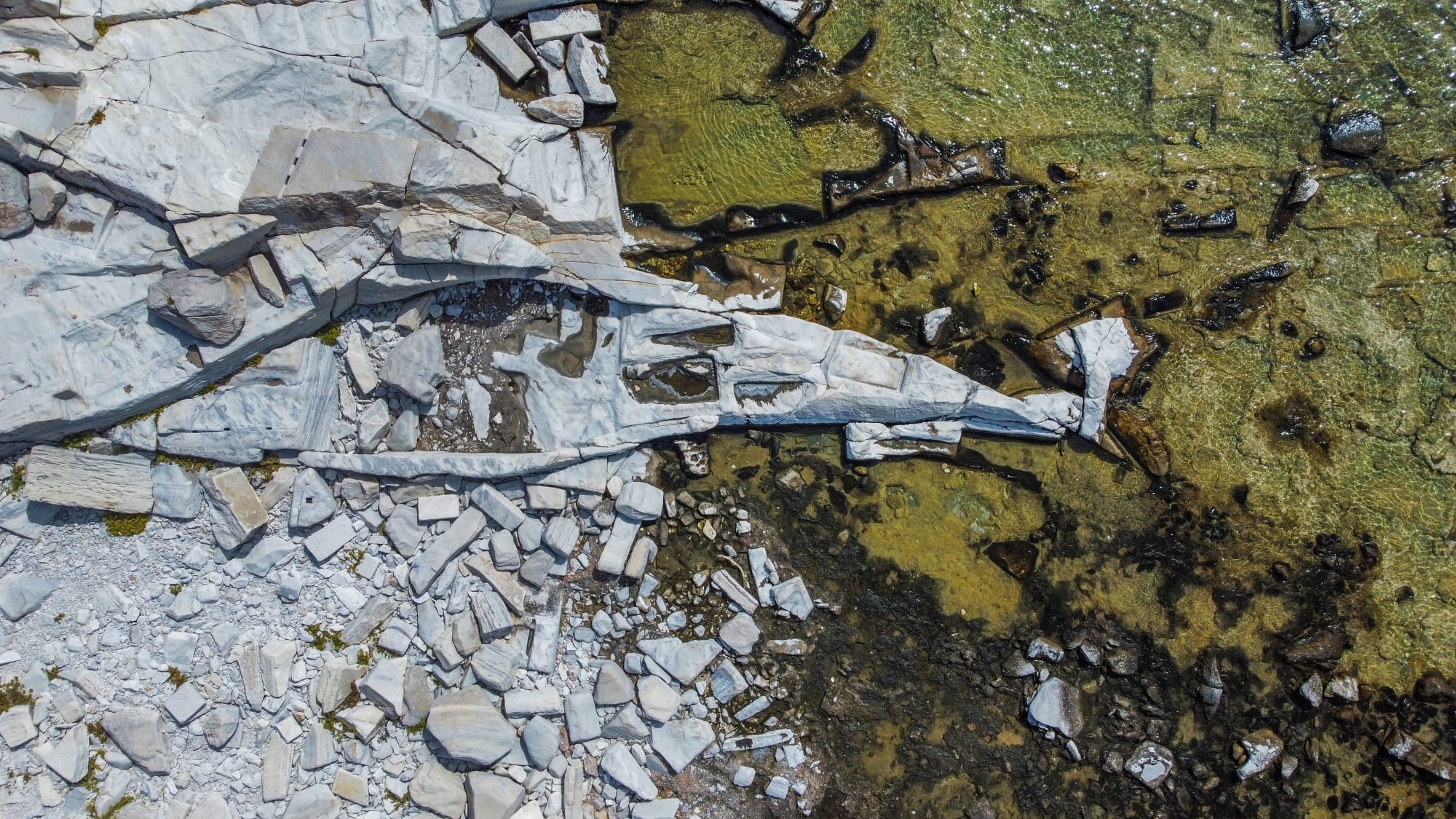
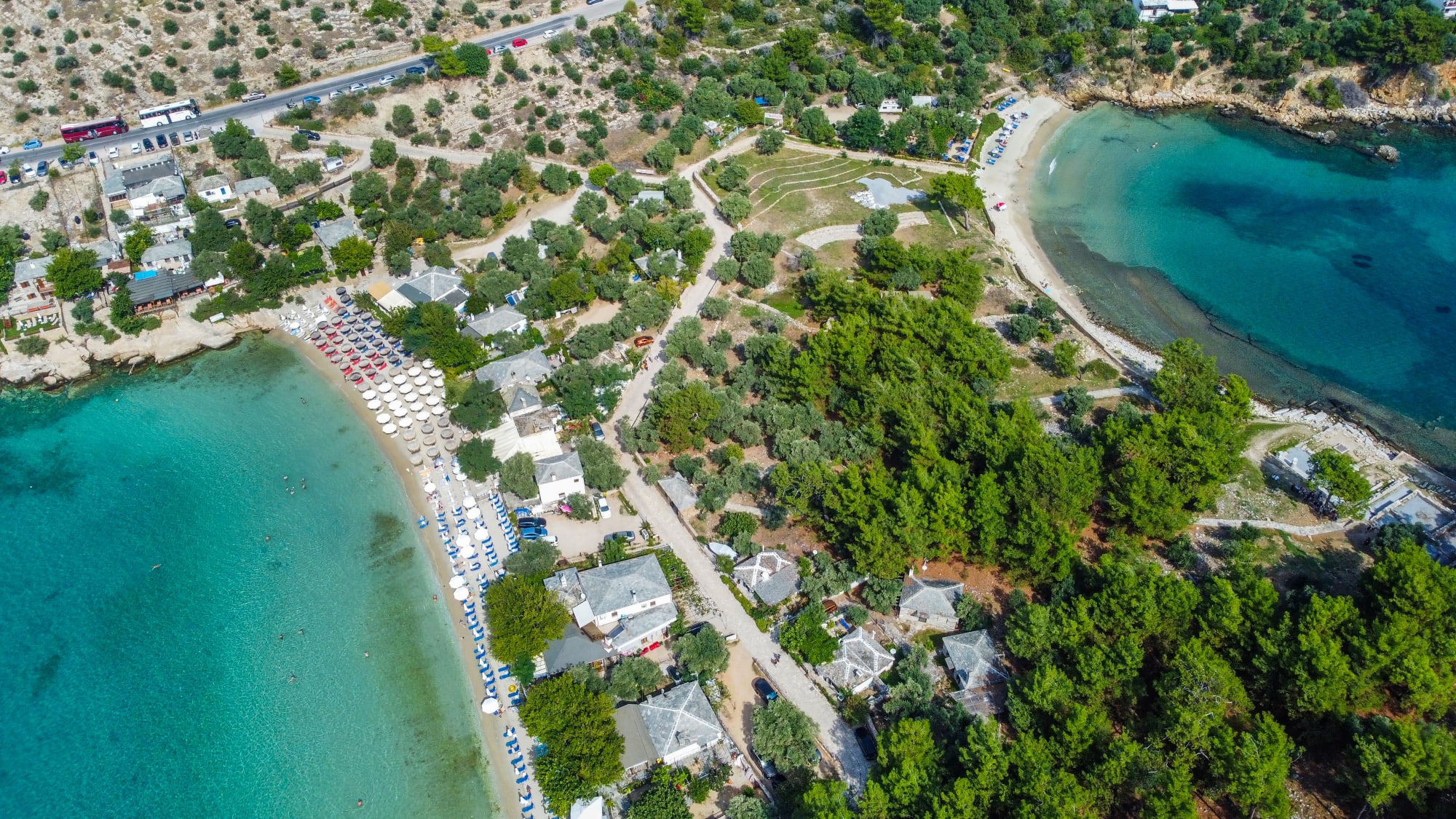
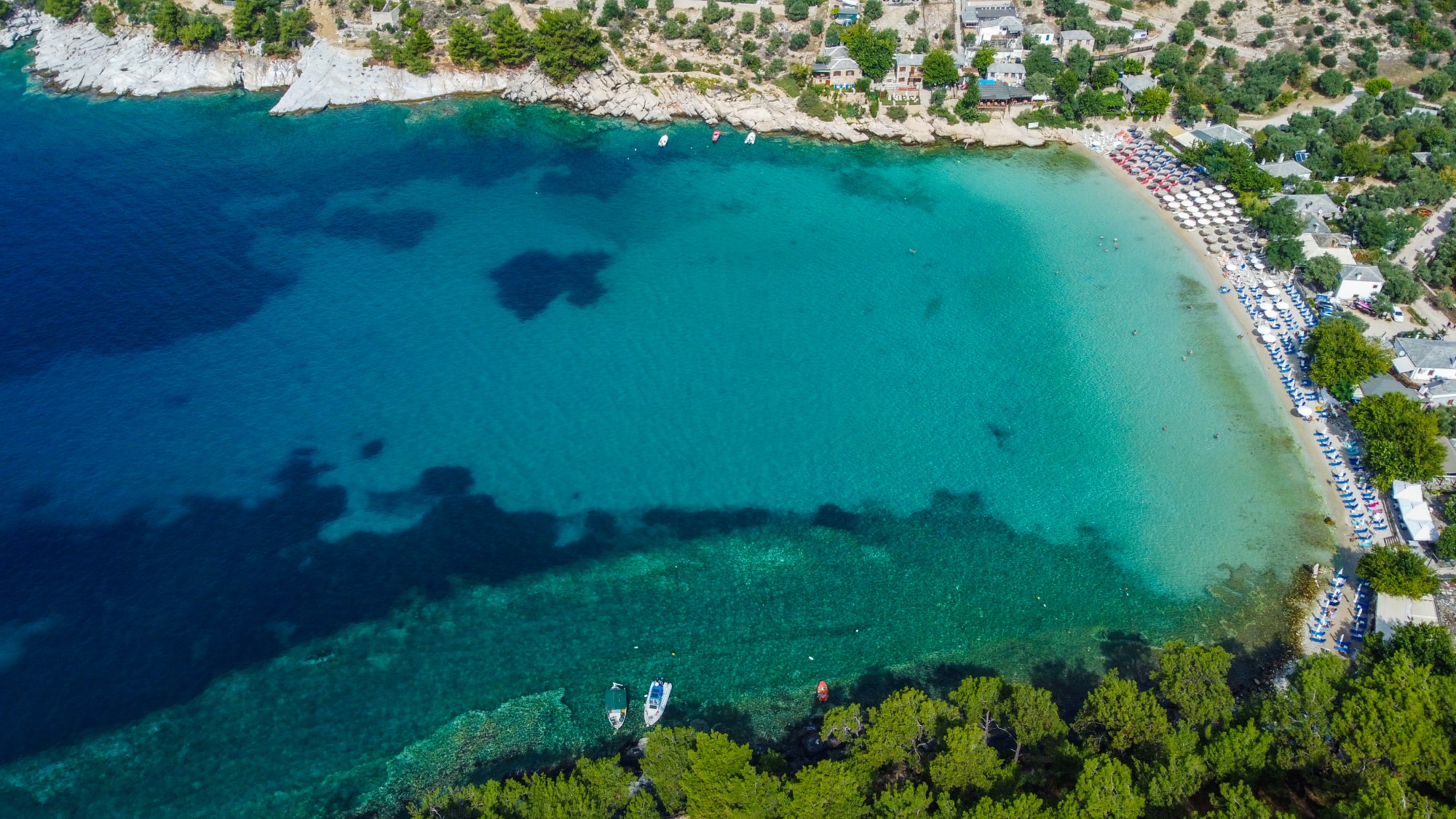
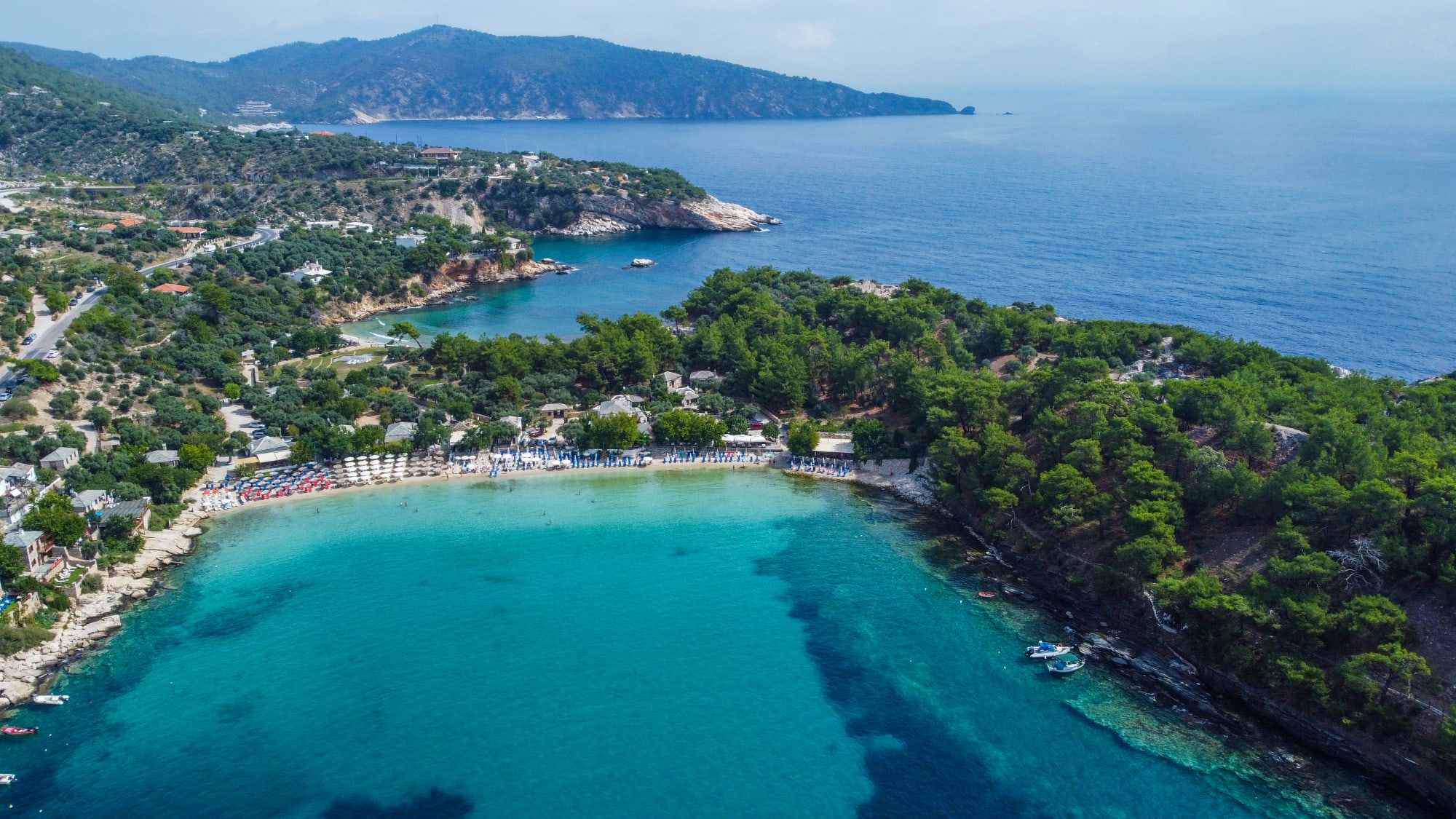
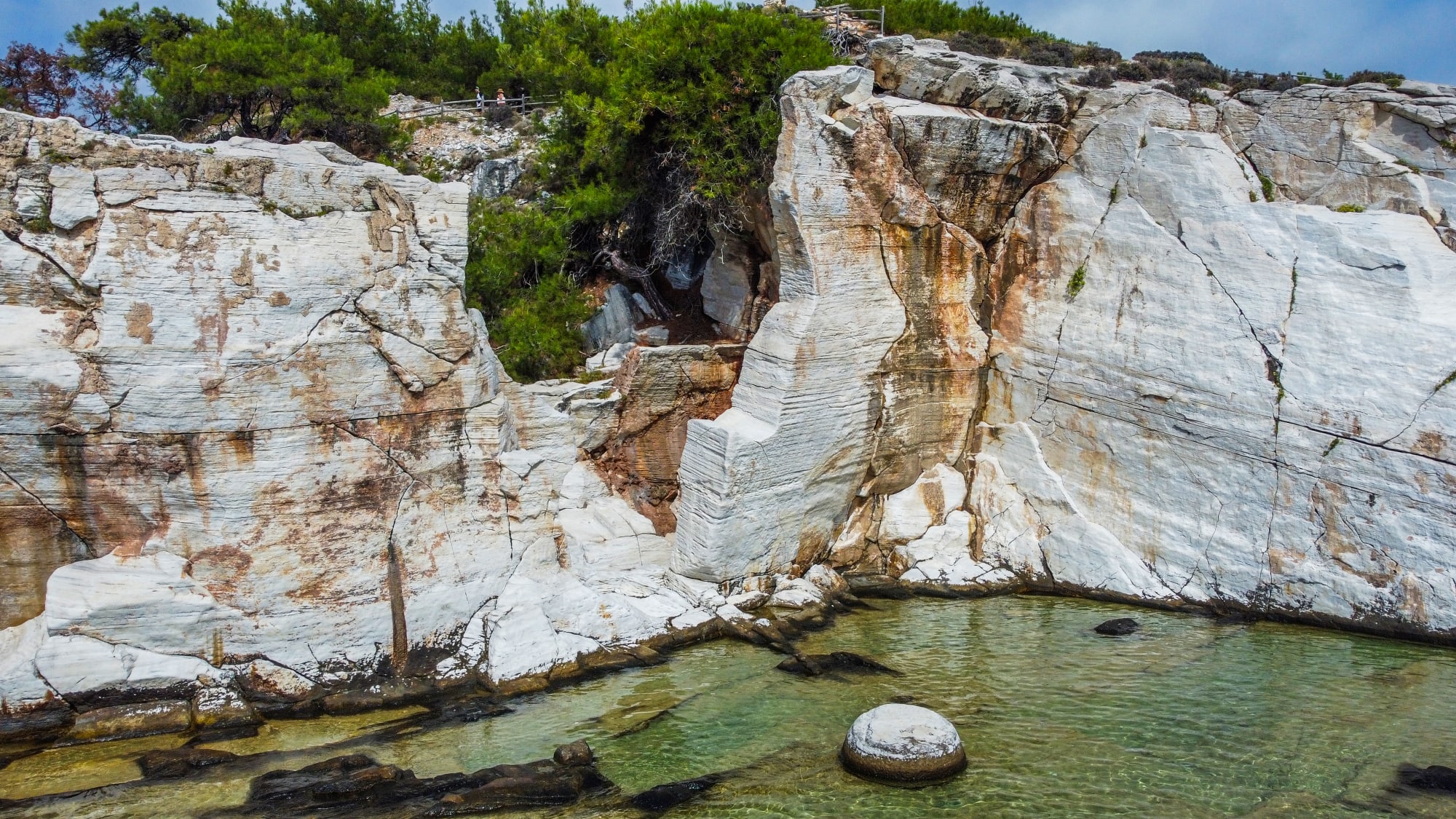
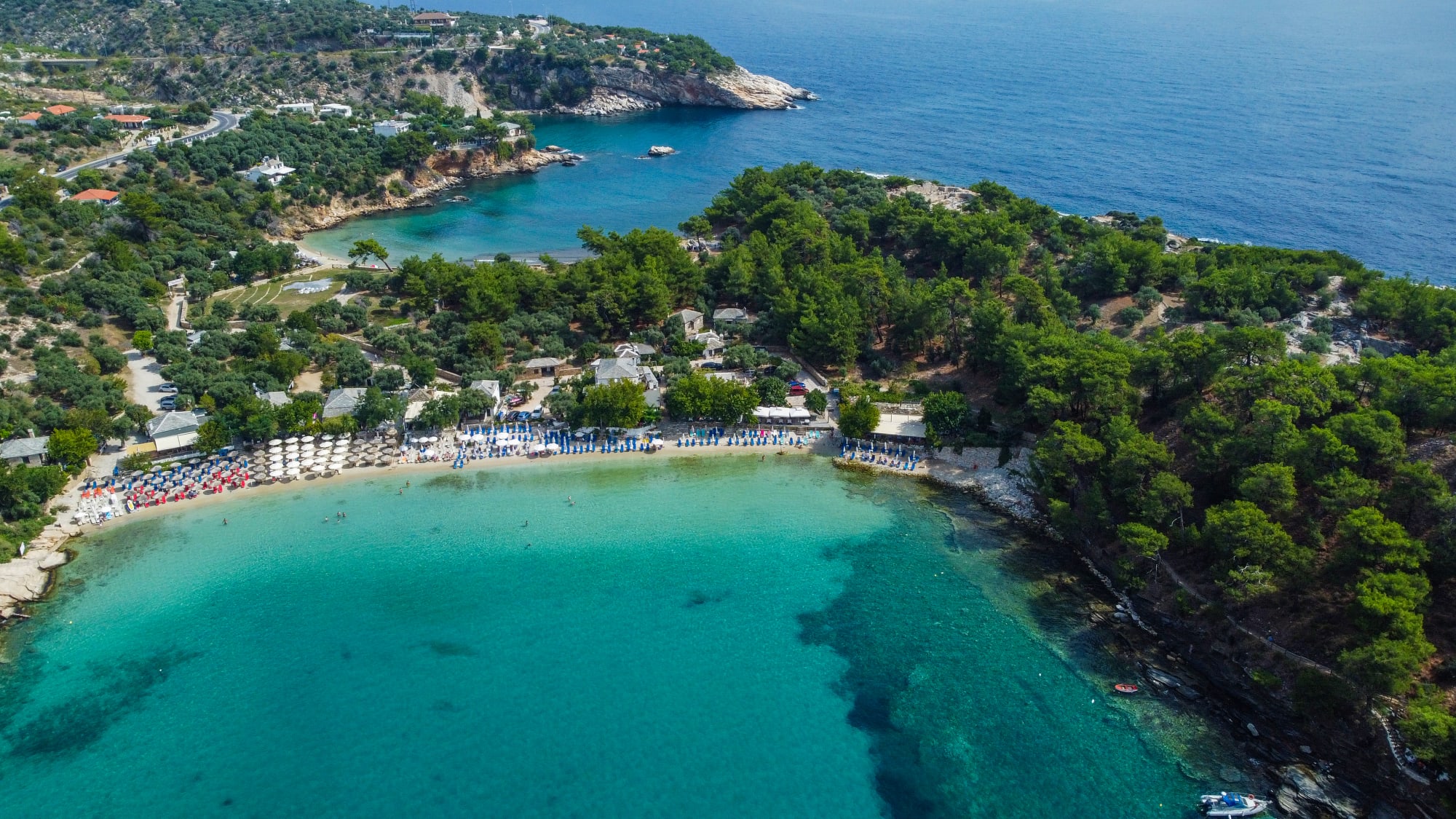
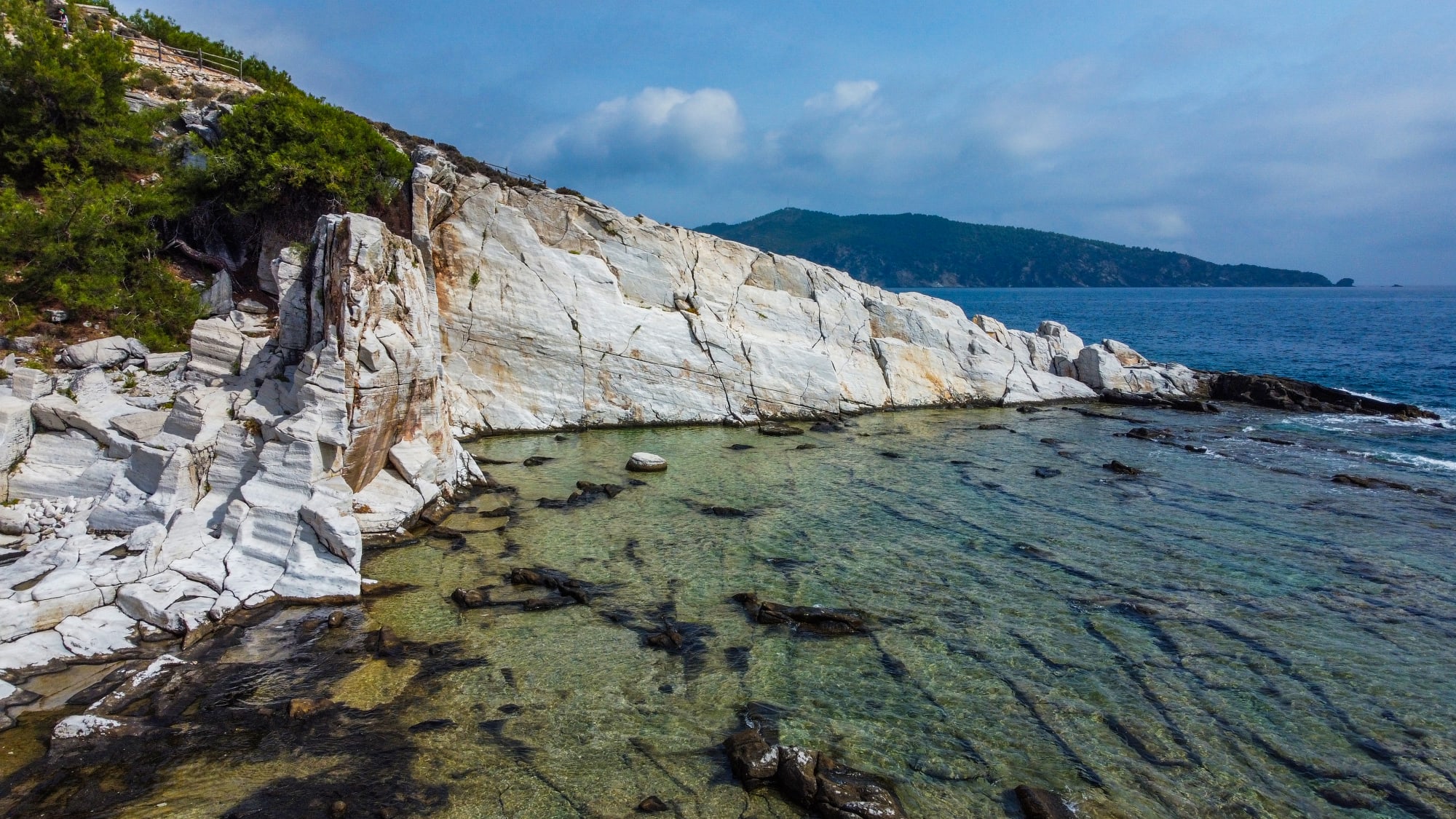
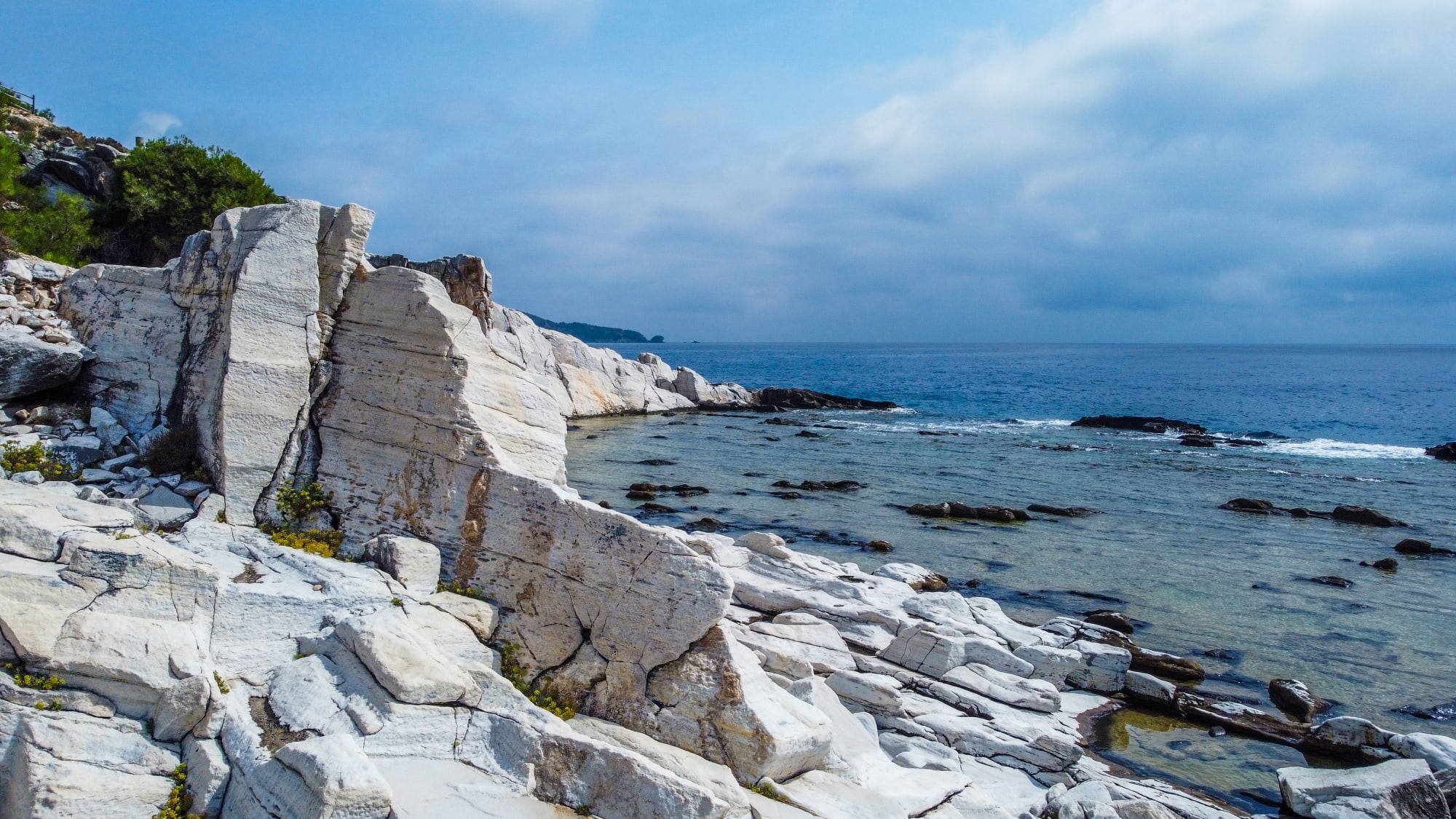
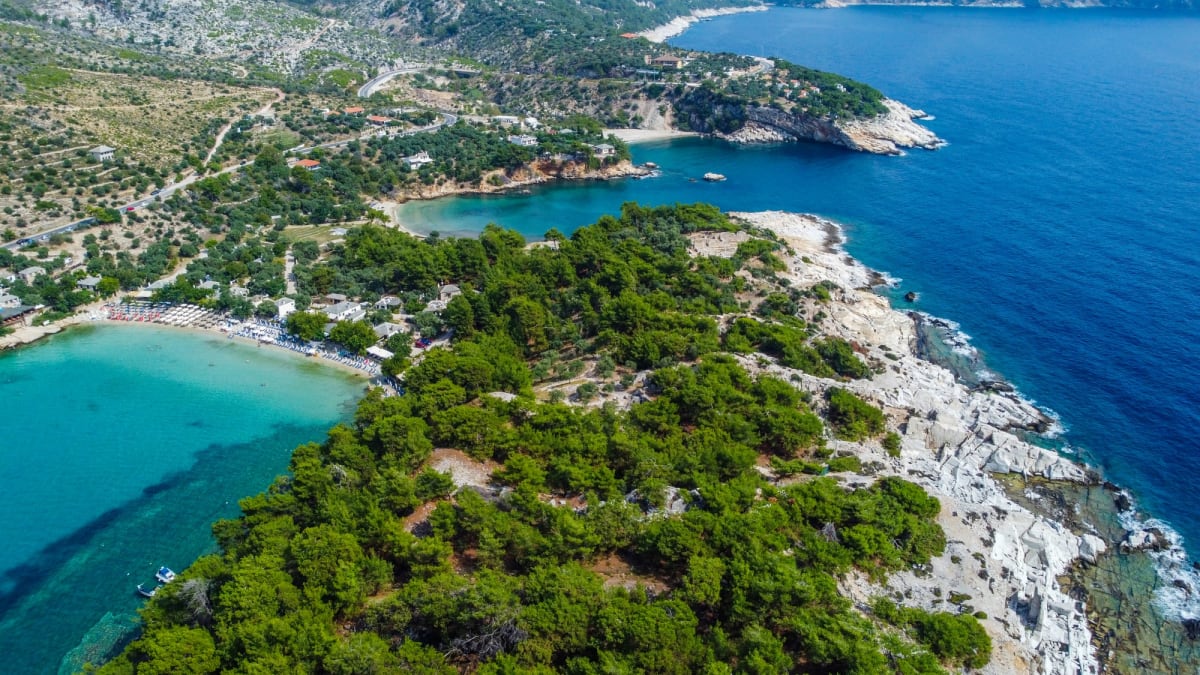
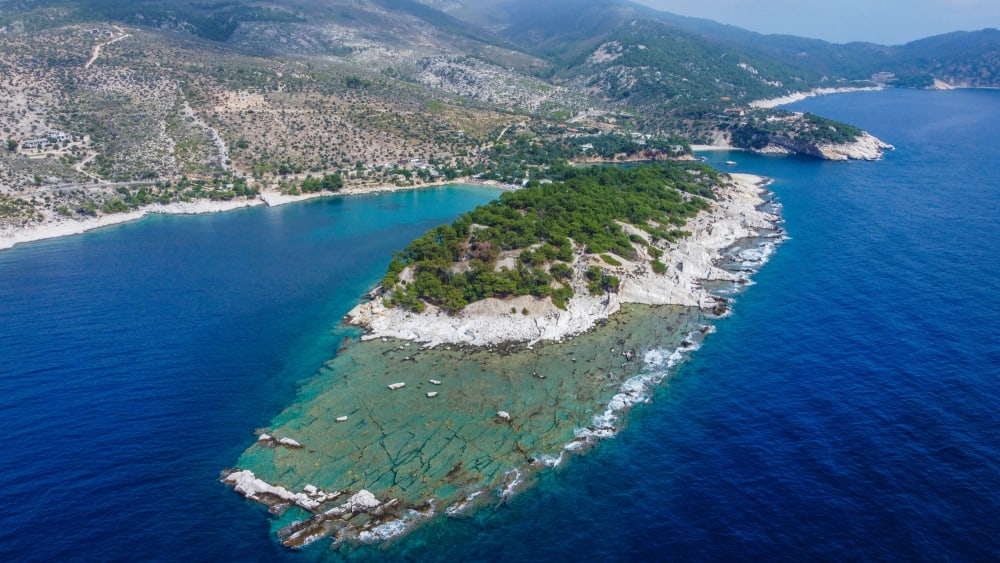
Aliki did not get its name from a salt marsh (alyki), but from the cove (alykon) that served as a natural harbour for the export of the famous Thassian marble. The area was one of the most important ancient quarries of the island, with extraction beginning in the 7th century BC and continuing up to the Byzantine period.

This marble, famous for its whiteness and luminosity, travelled across the ancient Mediterranean, used in monuments and buildings from Ancient Rome to Constantinople. This commercial wealth led to the development of a large settlement. In the area, one can find the impressive ruins of early Christian basilicas from the 5th and 6th centuries AD, sections of fortifications, and even traces of an ancient sanctuary.
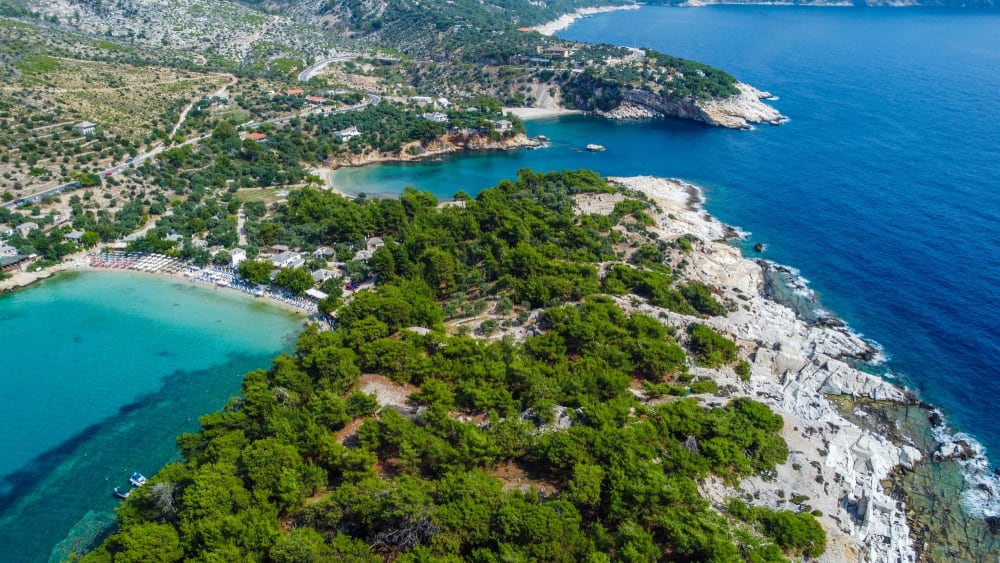
This demonstrates the timeless significance of the location, which served simultaneously as an industrial centre, a port, a fort, and a religious site.


Why We Love It
Fresh Tips
- Because the main beach is small and fills up very easily, it is a good idea to visit early in the morning to find parking and enjoy it in peace.
- Visit the archaeological site, which includes not only the quarries but also the ruins of early Christian basilicas and an ancient sanctuary.
- The walk through the quarries is largely under the shade of pine trees, but you should bring water, as the route can take an hour.
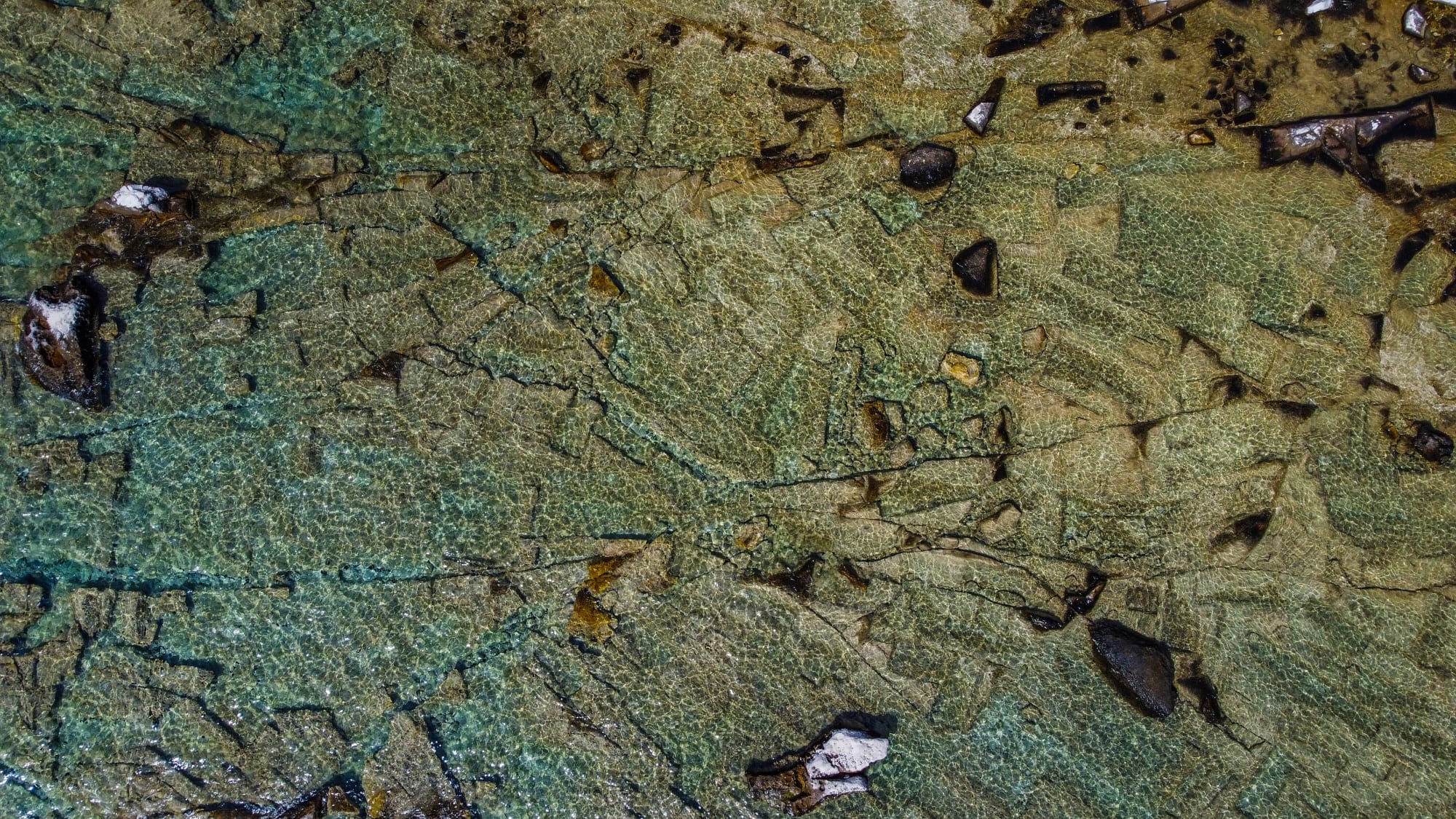
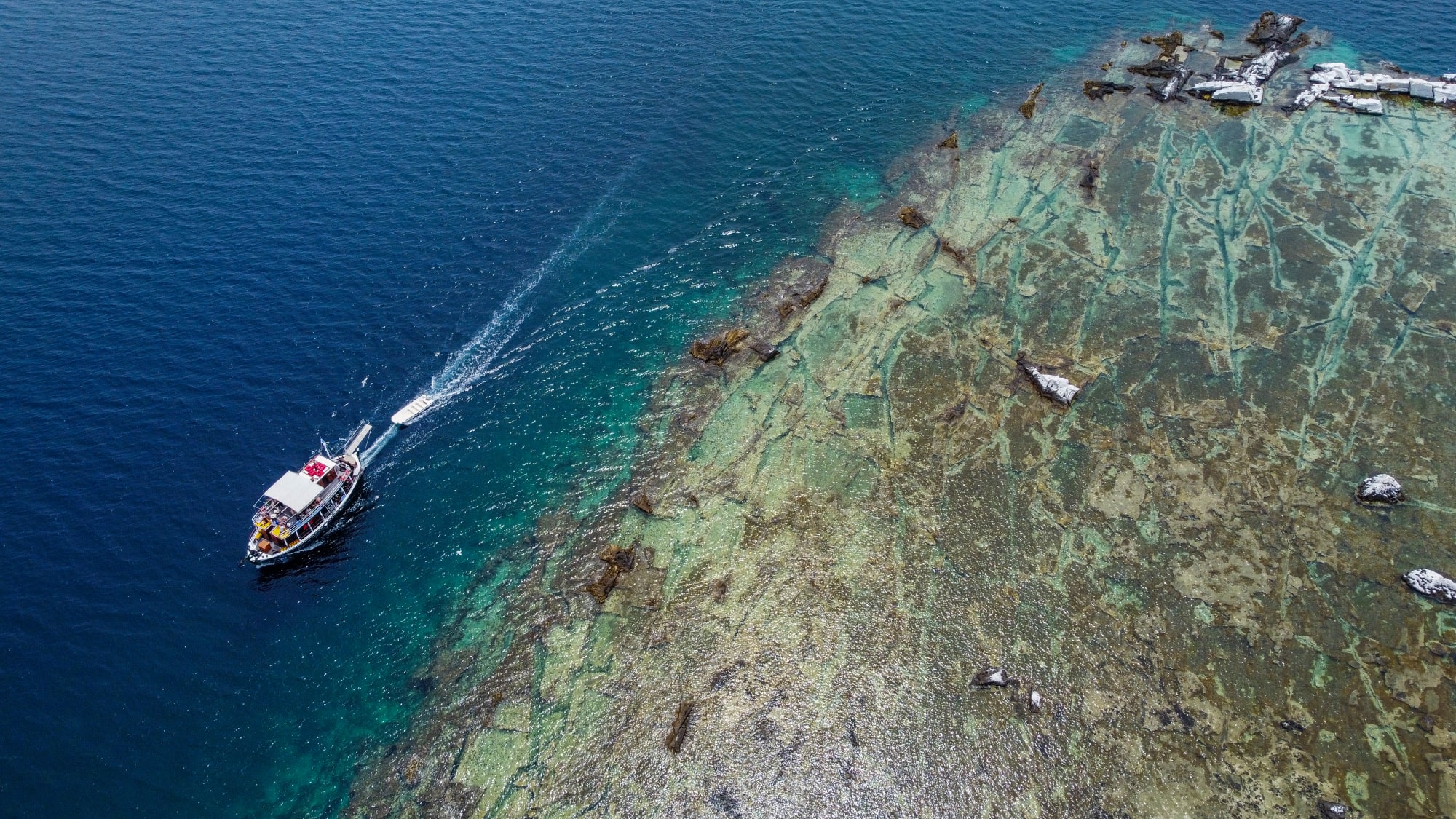
- If you enjoy diving or snorkeling, the seabed around the quarries is unique, with submerged pieces of marble and ancient workshops.
- In the area, you will find many traditional tavernas and cafés, ideal for concluding your day with a meal overlooking the sea.
- Do not miss the opportunity to see the sunrise from Aliki. The moment the sun emerges over the ancient quarries and the sea waters is truly unique.
Visual Journey