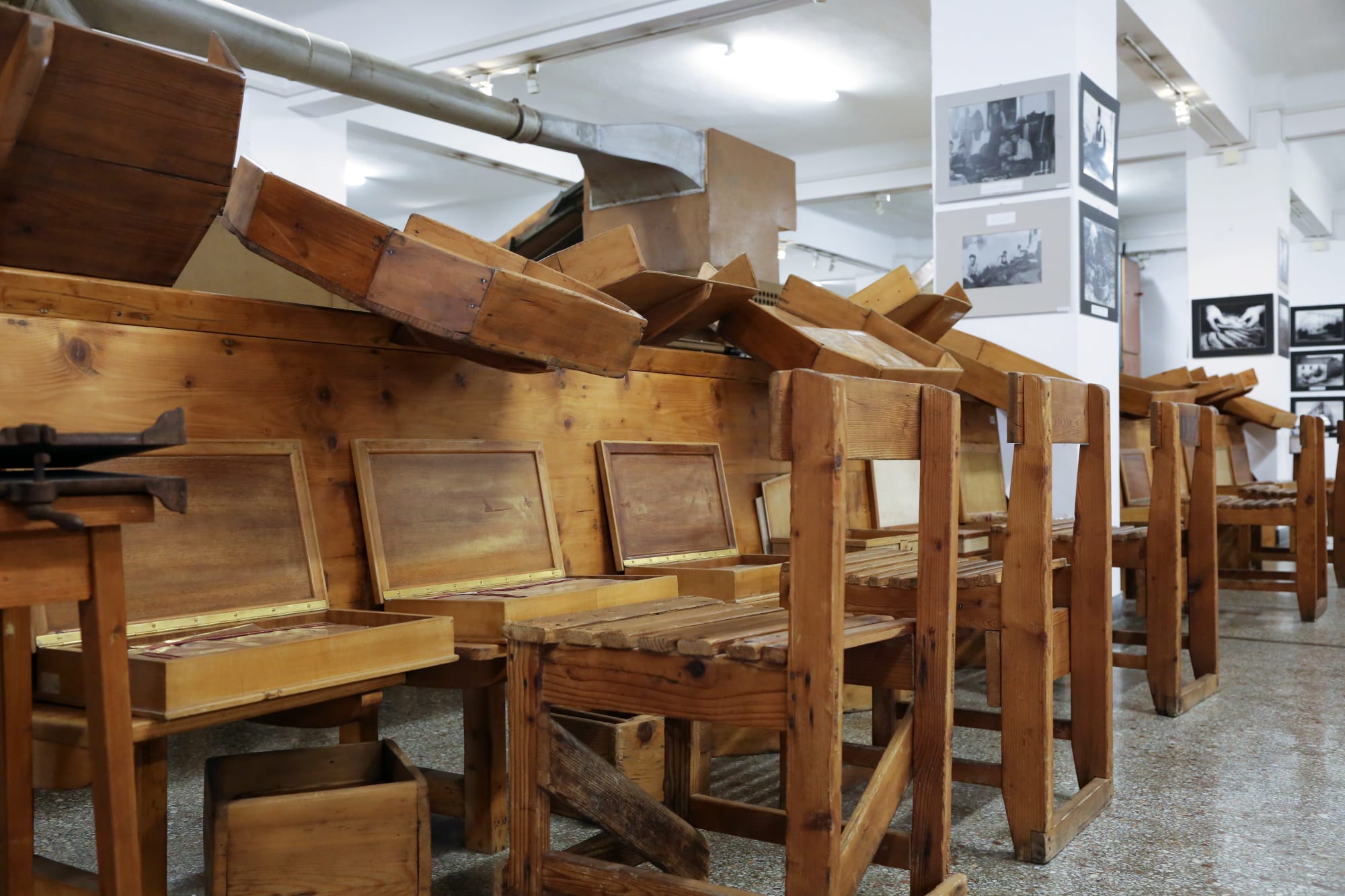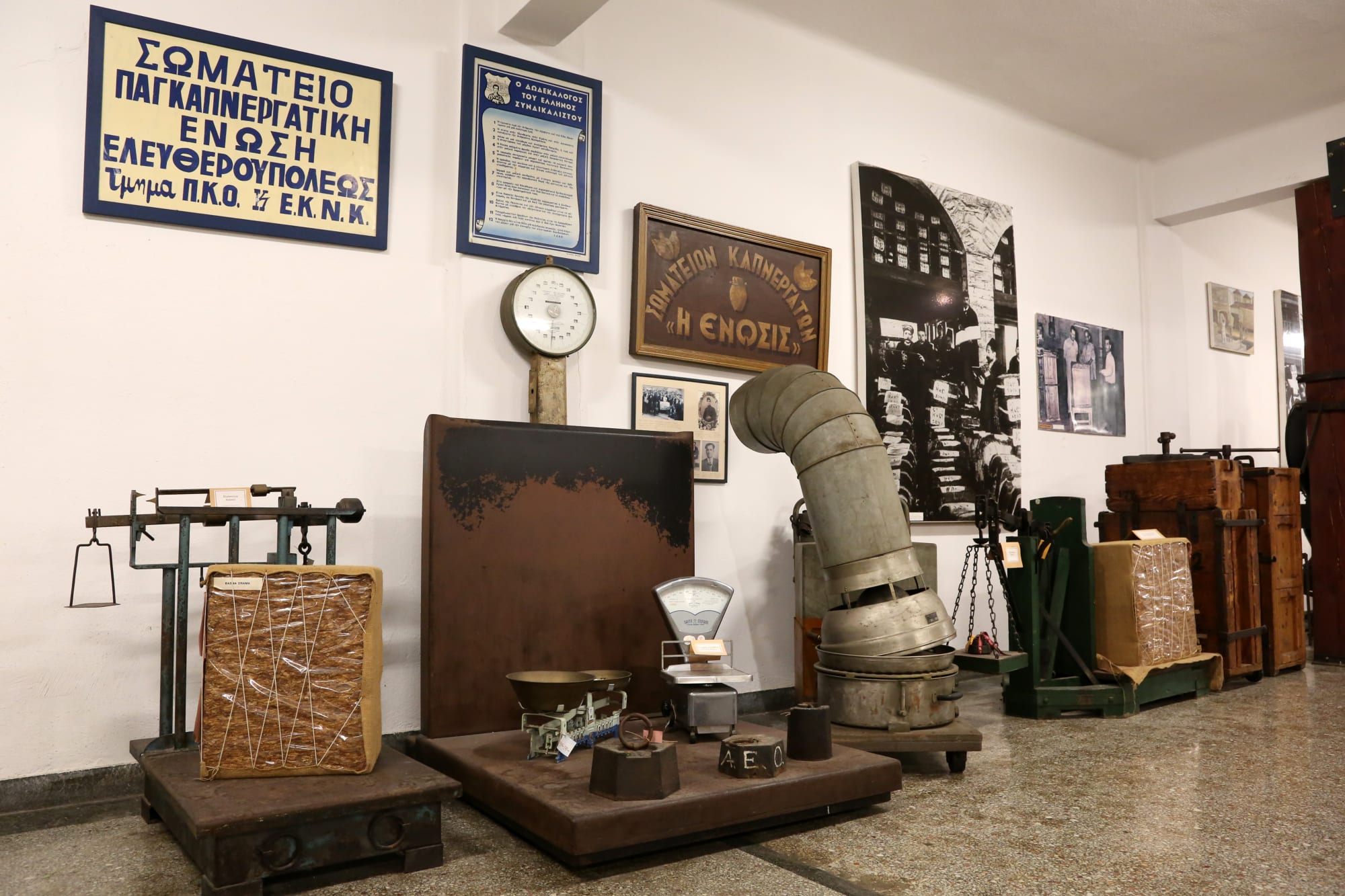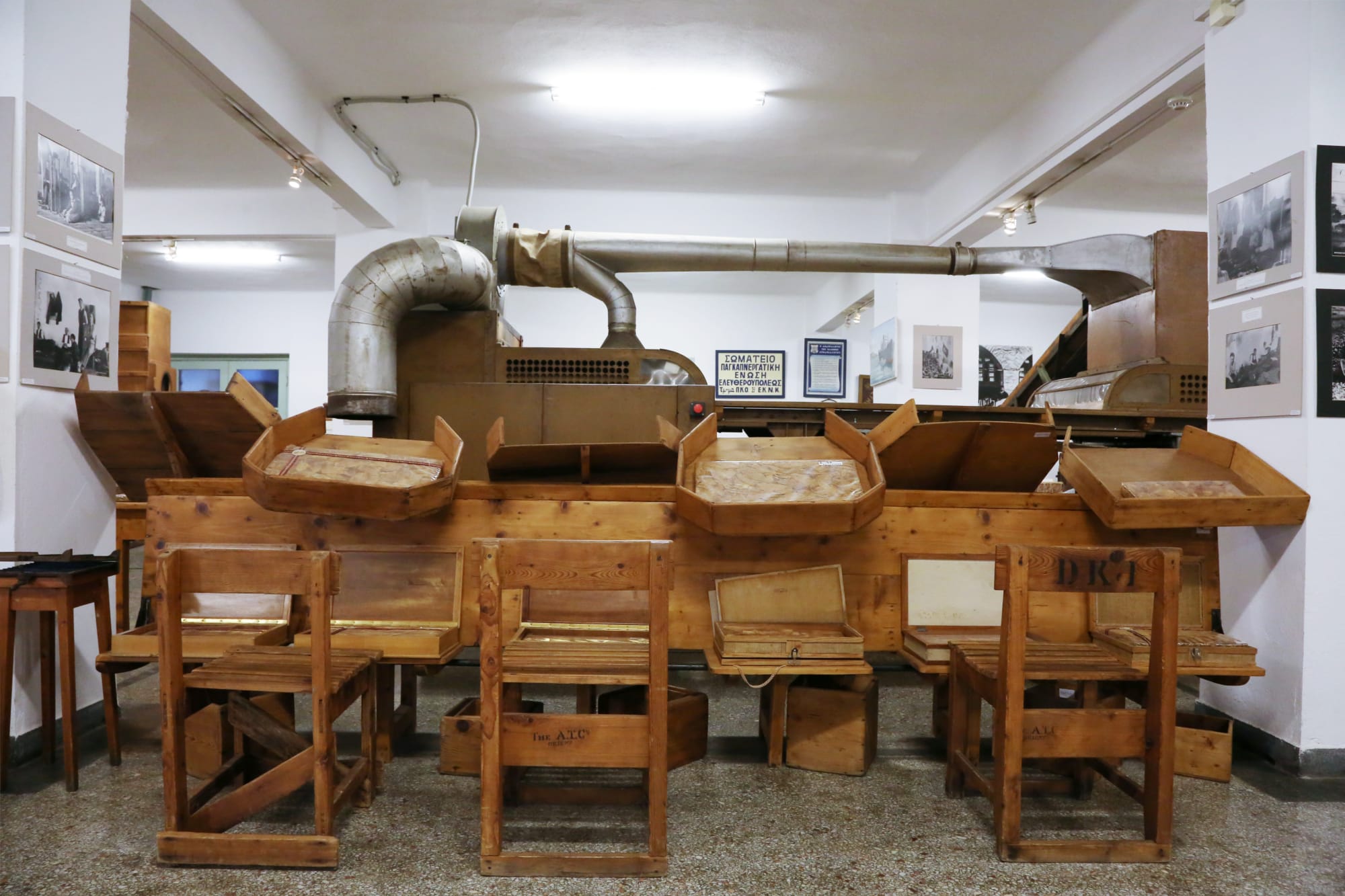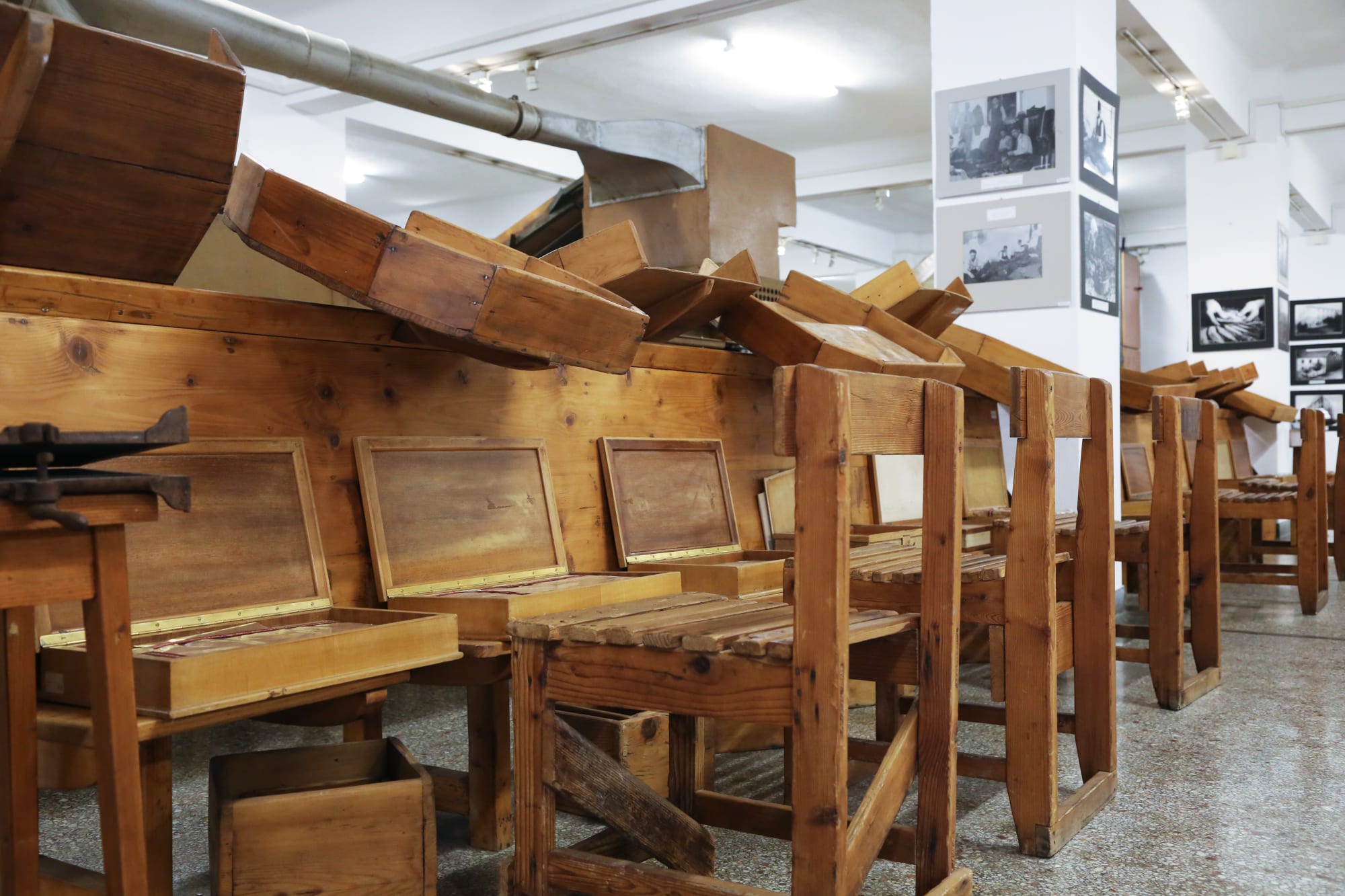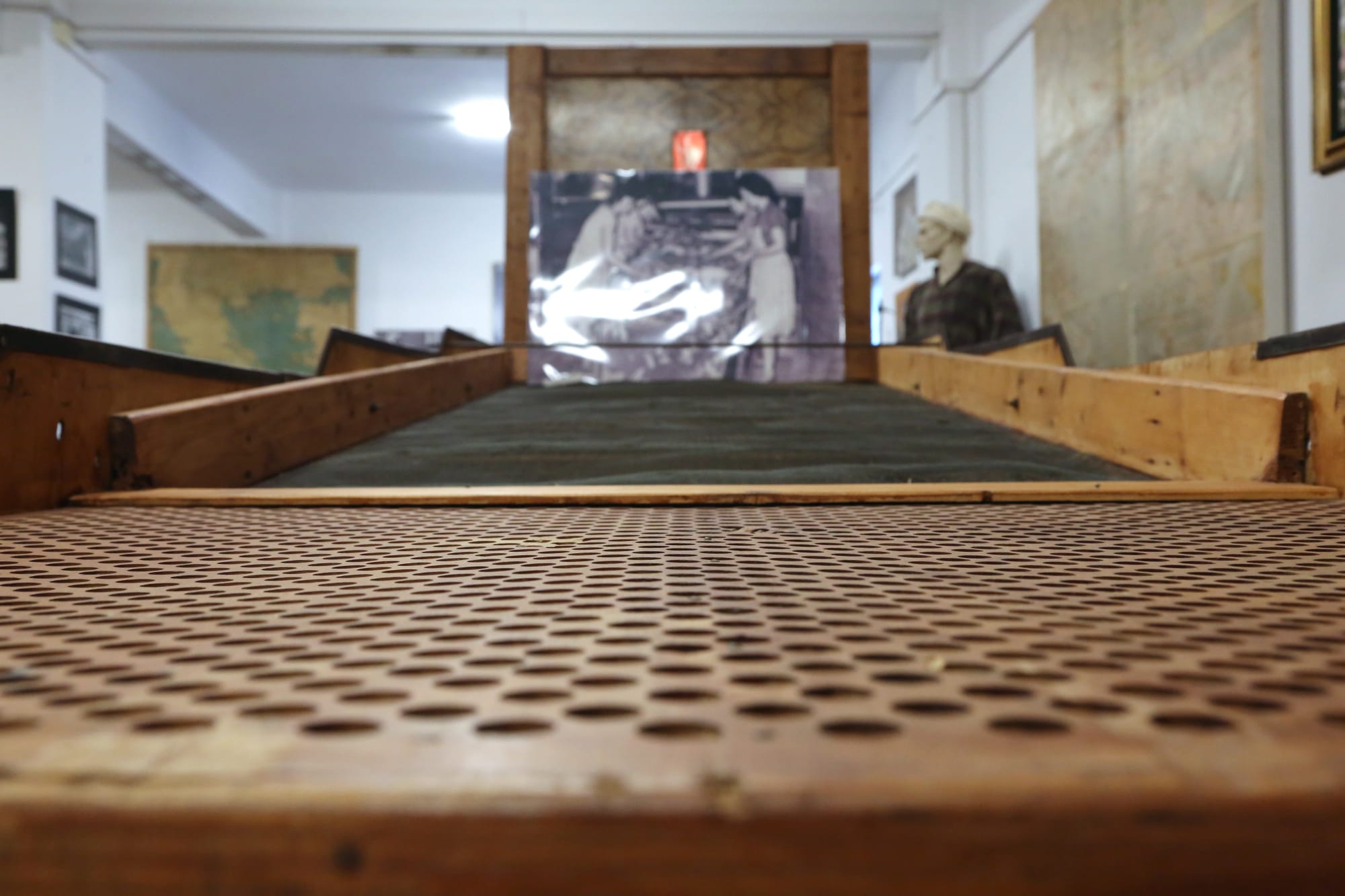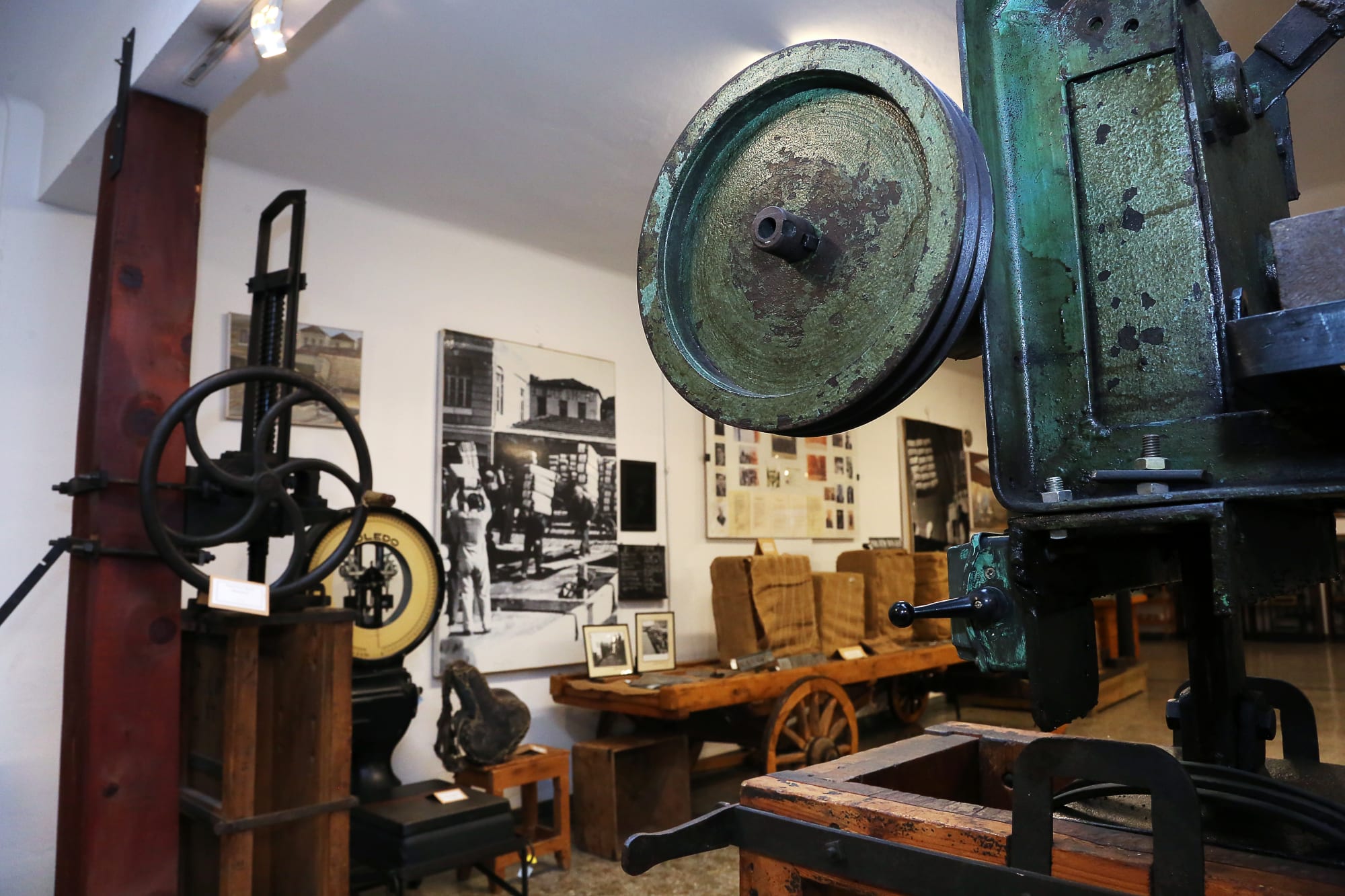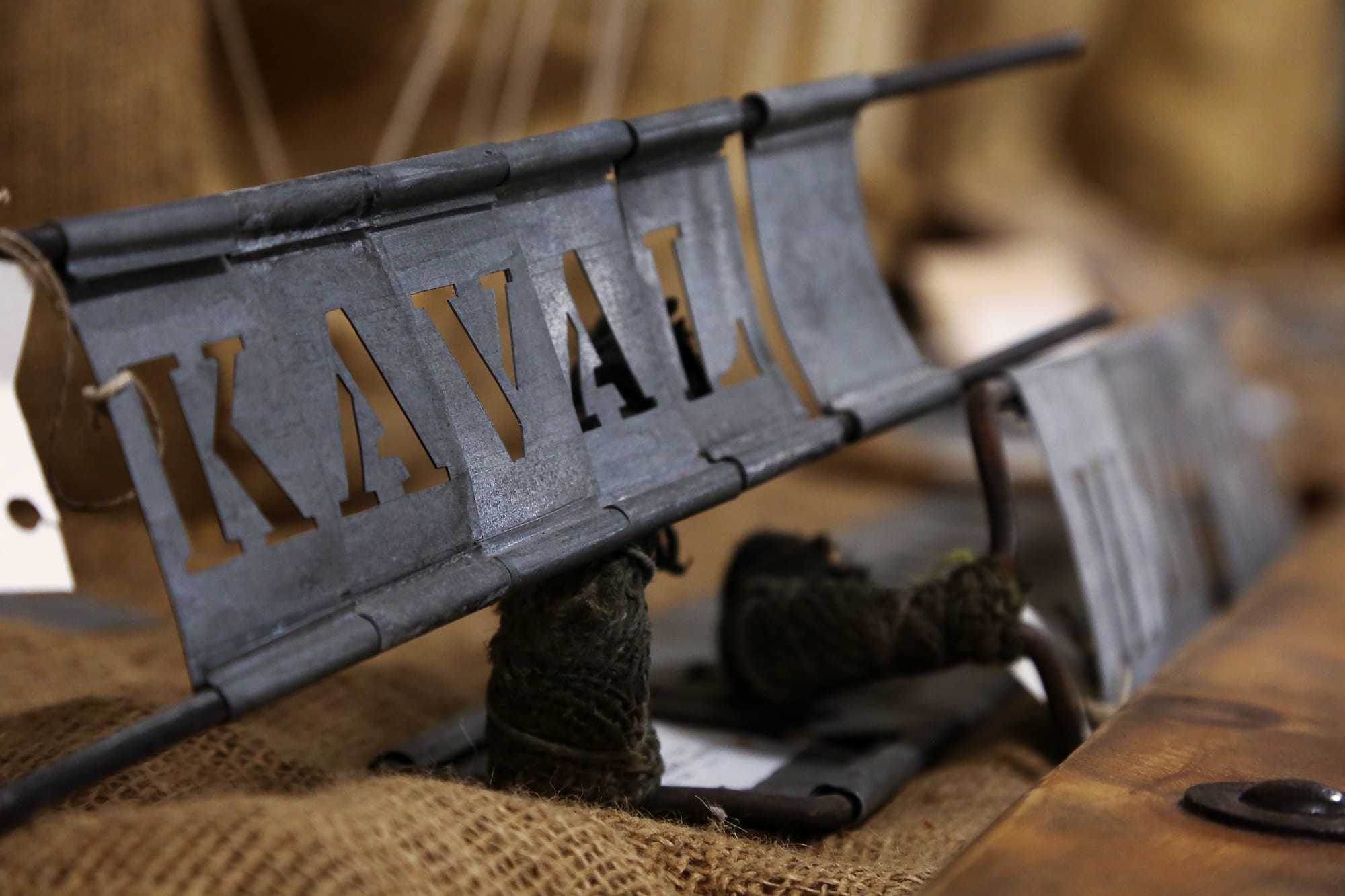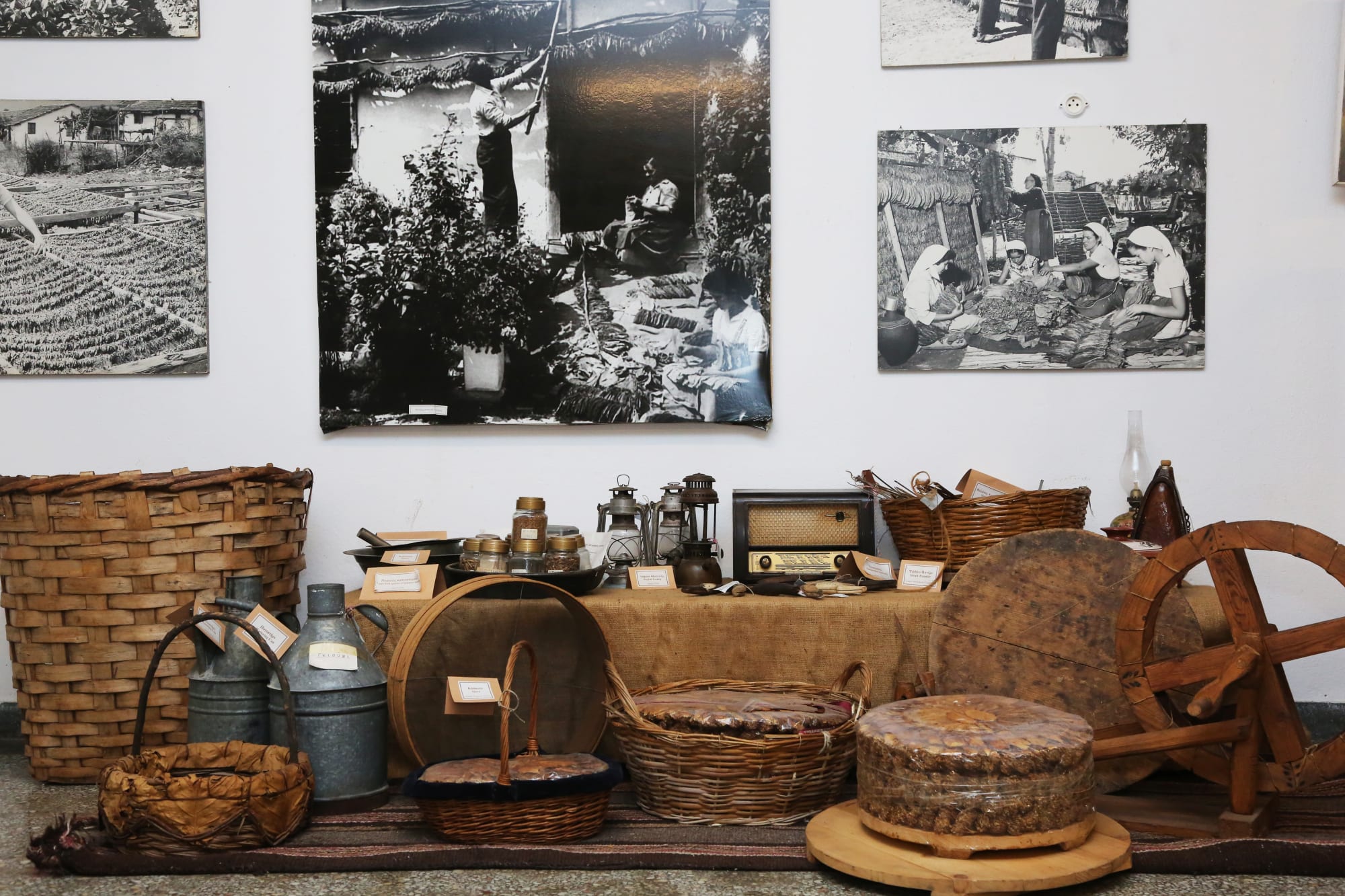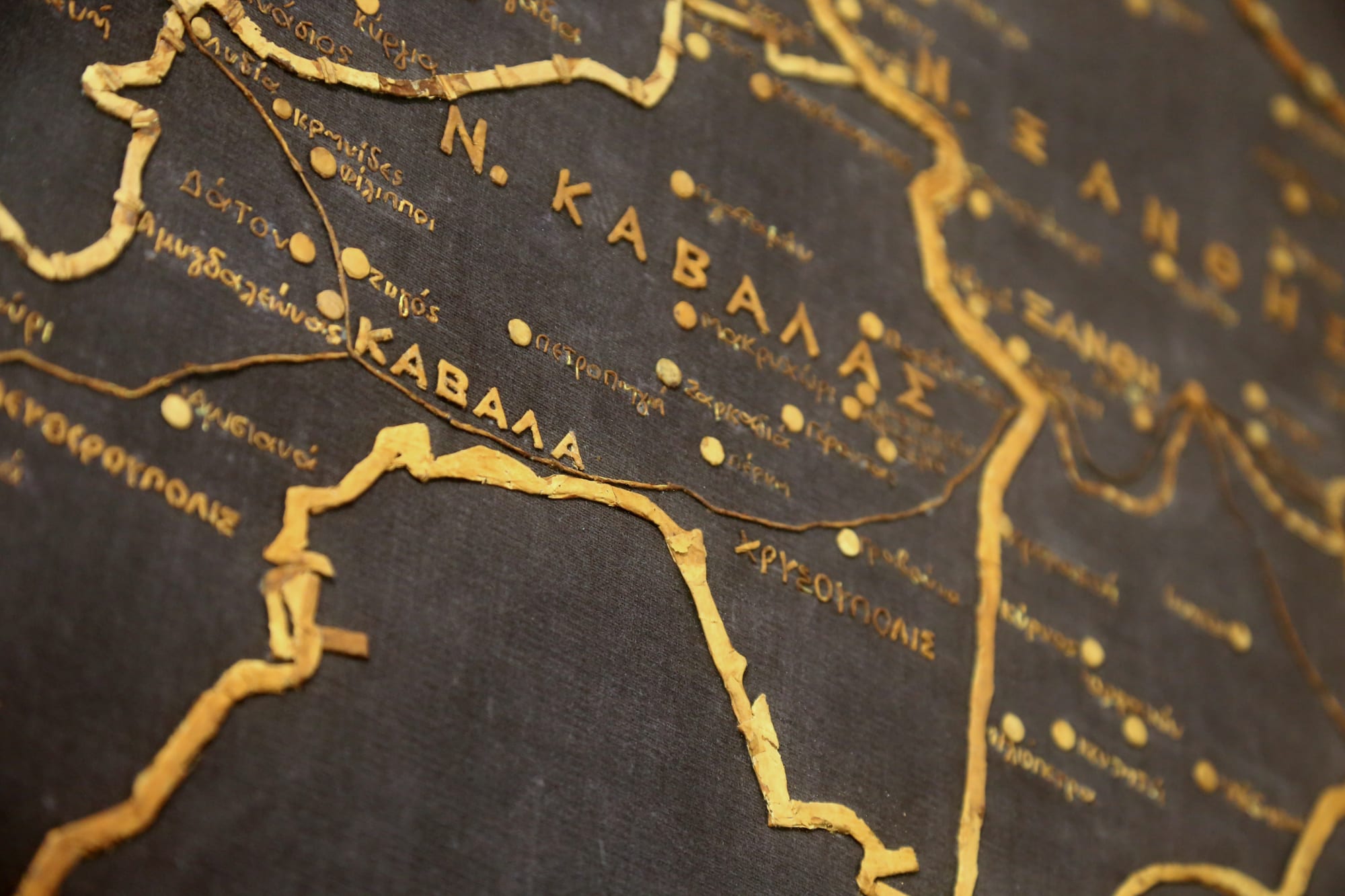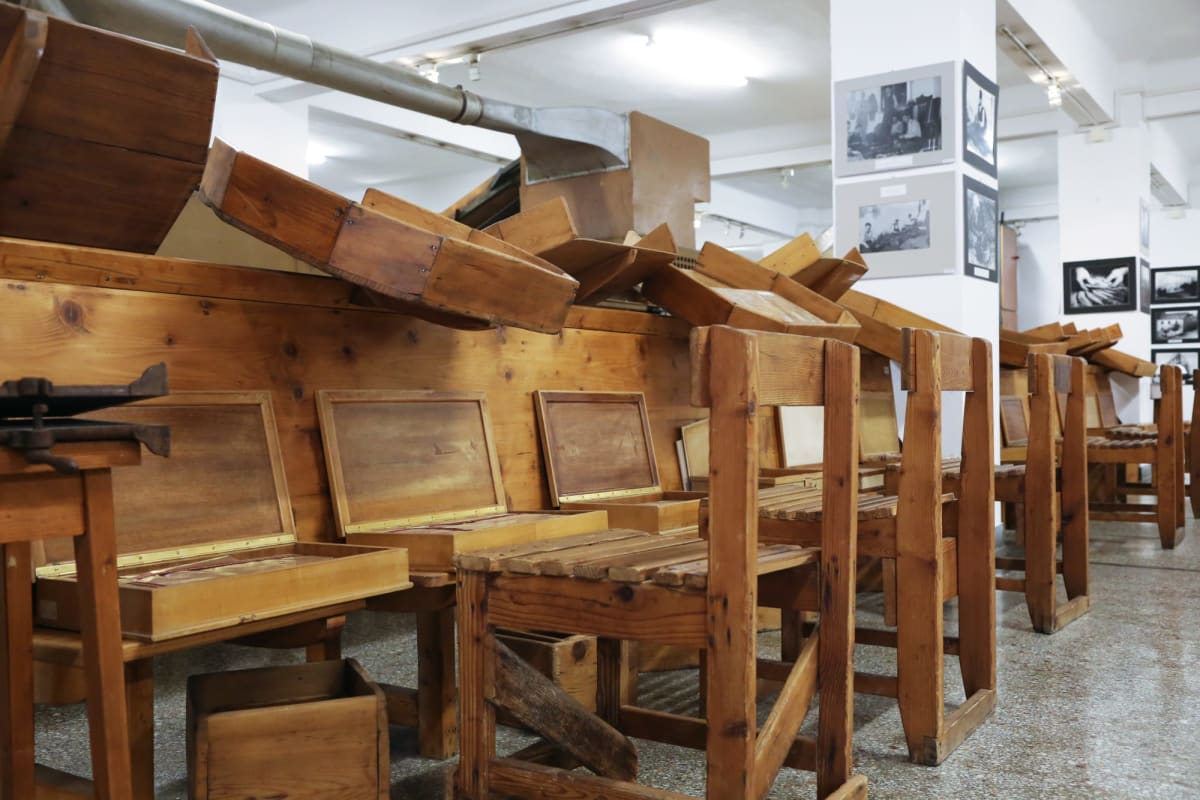
Kavala was once one of the largest centers for tobacco processing and trade in Eastern Europe. The Tobacco Museum is a living testament to this golden age, which began in the mid-19th century and culminated during the interwar period. Housed in an impressive building that was once a tobacco warehouse, the museum is more than just a collection of artifacts; it's a journey through time. Here, you'll discover the complete journey of tobacco: from its cultivation in the fields to its processing, trade, and export around the world.

Story Behind It
The story of tobacco in Kavala is the story of the city itself. Known in the past as the "Mecca of Tobacco," the city thrived because of its ideal climate and strategic port. By the early 20th century, Kavala hosted over 60 tobacco companies and thousands of workers, including many refugees who brought their expertise to the local warehouses.

The museum was founded to preserve this unique industrial heritage—the only one of its kind in Europe to focus specifically on the commercial processing of oriental tobacco. It stands as a tribute to the "tobacco workers" (kapnergates) whose struggles and hard work shaped the modern Greek labor movement.


Why We Love It
We love the Tobacco Museum because it's the heart of Kavala's historical memory. It's not just a simple visit, but a visceral experience. As you walk among the exhibits, you can almost feel the atmosphere of the old warehouses, hear the voices of the workers, and understand how tobacco transformed the city and its people. It's a rare opportunity to connect with the city's past and understand why Kavala is what it is today.
Fresh Tips
- Architectural Walk: The museum is located on a street lined with old tobacco warehouses. Take a walk around the area to admire the architecture and the grandeur of the buildings from that era.
- Ask the Experts: Ask the staff to tell you about the tobacco processing techniques. It's fascinating to learn how a simple plant became a valuable commercial commodity.
- Central Location: Integrate your visit to the museum as part of a broader tour of Kavala, as it's located near the city center and other points of interest.
Visual Journey